SATURN
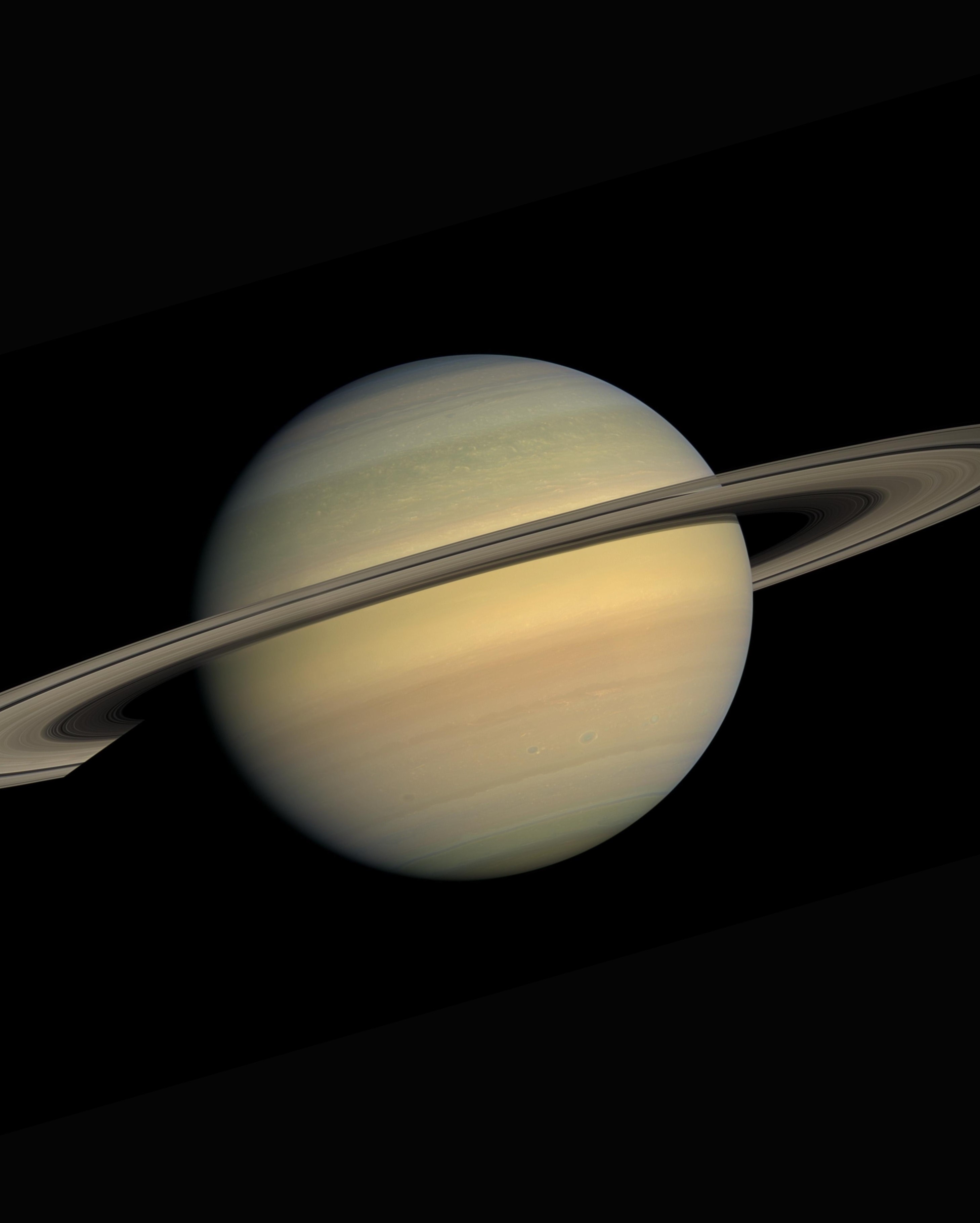
Saturn, the second largest planet in our solar system, is a fascinating celestial body. Its diameter is so vast that you could fit nine Earths in a line to match it. Positioned sixth from the sun, it follows the mighty Jupiter. However, don't expect to set foot on Saturn, as it lacks a solid surface. Instead, it is a colossal gas ball, composed mainly of hydrogen and helium. If you were hoping for a breath of fresh air, think again. Saturn's atmosphere offers no respite. With a staggering 146 moons, it reigns as the king of satellites, leaving poor Mercury envious. And let's not forget its magnificent rings, which I like to call the lord of the rings. Engaged in a mesmerizing dance, they captivate the attention of all other planets. Saturn truly is a distant and captivating destination, with only one of the four missions sent to it successfully orbiting.
Tourism In Saturn
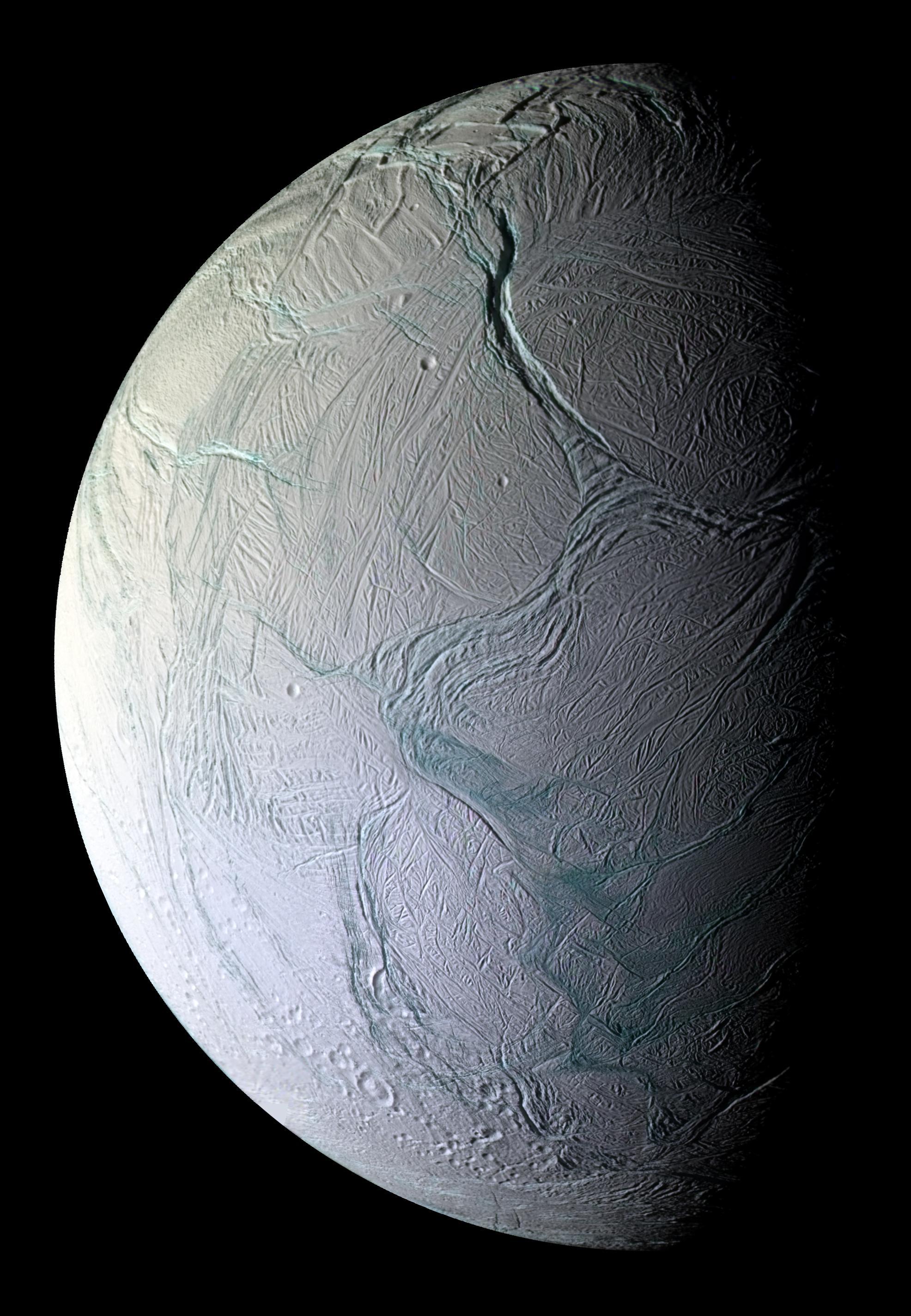
Imagine embarking on a journey to Saturn, a planet shrouded in mystery and beauty. As you approach, its rings mesmerize you, sparkling like a celestial jewel. Your spacecraft glides effortlessly through space, offering breathtaking views of Saturn's diverse moons. You marvel at Enceladus, with its icy geysers, and Titan, with its hazy orange atmosphere. The challenges of this interplanetary tourism are immense, but not insurmountable. Advanced technology and innovative spacecraft designs make the journey possible. As you step foot on these distant worlds, you become part of a new era of space exploration, where the wonders of the universe are no longer confined to science fiction, but are within reach of adventurous travelers. Enceladus Dive
Enceladus Dive
Imagine the thrill of plunging into the depths of Enceladus, a moon teeming with potential life. As you descend through the icy crust, your heart races with anticipation. The darkness gives way to a mesmerizing world of liquid water, illuminated by bioluminescent organisms. Strange creatures, unlike anything seen before, gracefully glide past you.
Titan trek
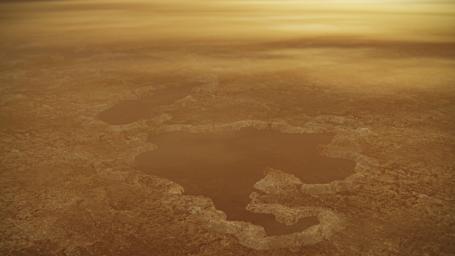
Embark on an extraordinary adventure through the frozen wonderland of Titan, Saturn's largest moon. Titan Trek offers a unique opportunity to explore its ethereal landscape, adorned with methane lakes and rivers. As you traverse this alien terrain, you'll be captivated by the organic-rich chemistry that mirrors our own planet.
Saturn ring flyby
Saturn's rings, a celestial masterpiece, beckon you to witness their ethereal beauty. As you venture closer, a mesmerizing dance of ice and rock particles unfolds before your eyes. Each glimmering fragment tells a story of cosmic wonder, captivating your senses. The sheer magnitude of this spectacle leaves you in awe, as you realize the vastness of the universe.
1
Lord of the ring
Saturn is perhaps most famous for its stunning ring system, which consists of thousands of individual ringlets. These rings are made primarily of ice particles and rock debris and extend outwards from the planet's surface.
Learn More2
Have interesting moon
Enceladus, another of Saturn's moons, is of particular interest due to its subsurface ocean and geysers of water vapor erupting from its south pole. This makes it a target for future exploration to search for signs of life.
Learn More3
Cassini-Huygens Mission
NASA's Cassini spacecraft, which was in operation from 2004 to 2017, provided a wealth of information about Saturn and its moons. The Cassini orbiter also carried the Huygens probe, which successfully landed on Titan, providing valuable data about the moon's surface.
Learn More4
Beauty in atmosphere
NASA's Cassini spacecraft, which was in operation from 2004 to 2017, provided a wealth of information about Saturn and its moons. The Cassini orbiter also carried the Huygens probe, which successfully landed on Titan, providing valuable data about the moon's surface.
Learn More5
Fast rotation
Despite its large size, Saturn has a relatively short day, with a rotational period of about 10.7 hours. This rapid rotation causes the planet to be noticeably oblate, meaning it's flattened at the poles and bulges at the equator.
Learn More6
First found by
Saturn has been known since ancient times and was named after the Roman god of agriculture and wealth. Its rings were first observed by Galileo Galilei in the 17th century.
Learn More